
Best Cheap Health Insurance in South Dakota (2026)

Sanford Health Plan is the best health insurance company in South Dakota. The company's Silver plans start at $516 per month before discounts.
Find Cheap Health Insurance Quotes in South Dakota
Best and cheapest health insurance in South Dakota


Cheapest health insurance companies in South Dakota
Of the three companies on HealthCare.gov in South Dakota, Avera Health Plans has the cheapest health insurance plans, followed by Sanford and Wellmark, with Silver rates starting at $512 per month before discounts.

Find Cheap Health Insurance Quotes in South Dakota
Affordable health insurance in South Dakota
Company |
Cost
| |
|---|---|---|
| Avera Health Plans | $512-$875 | |
| Sanford Health Plan | $516-$882 | |
| Wellmark of South Dakota, Inc. | $689-$774 | |



- Avera has the most affordable coverage for everyone in South Dakota, with Silver plans starting at $512 per month. However, the amount you'll pay for this plan depends on where you live because rates differ by county.
- Sanford Health Plan has the best cheap coverage in SD. The company has a large network of doctors and medical care providers in the state, making it relatively easy to find an in-network doctor.
- Avera sells the cheapest Bronze and Silver plans in SD. However, Sanford has the most affordable Catastrophic and Gold coverage.
Best health insurance companies in South Dakota
Sanford Health Plan has the best health insurance in South Dakota.
Sanford Health Plan has a 3.5-out-of-5-star rating from HealthCare.gov. That means some customers expressed concerns about the plan, quality and management of their health insurance. However, Sanford has a large network in South Dakota, so it's often easier to find in-network care with this insurance. You'll likely be able to find a doctor you like without paying higher monthly rates for a Blue Cross Blue Shield plan through Wellmark.
Find Cheap Health Insurance Quotes in South Dakota
Best-rated health insurance companies in South Dakota
Company |
ACA rating
|
VP rating
|
|---|---|---|
| Sanford Health Plan | 3.5 out of 5 | 4.0 out of 5 |
| Wellmark of South Dakota, Inc. | 3.0 out of 5 | 4.0 out of 5 |
| Avera Health Plans | 4.0 out of 5 | 2.5 out of 5 |
Best health insurance in SD for doctor network size

Wellmark, a Blue Cross Blue Shield (BCBS), has the best health insurance in SD if you want to be able to see a large network of doctors.
Wellmark is a Blue Cross Blue Shield company, which has the largest network of doctors and hospitals in the nation. That makes Wellmark a good choice if you want the freedom to choose from a wide range of doctors over getting the best price. However, Wellmark is more expensive than Avera and Sanford, with Silver plans costing $689 per month, on average.
How much does health insurance cost in SD?
Health insurance costs an average of $734 per month at full price or could be around $302 per month after discounts.
Find Cheap Health Insurance Quotes in South Dakota

How much you pay for health insurance depends on factors like your age, coverage level, income and where you live.
- Plans that pay less of your medical bill typically have cheaper monthly rates. But you may still save money by choosing a higher plan tier, if you need a lot of medical care. A lower plan tier might make more sense if you don't often visit the doctor.
- You'll pay more for coverage as you get older. On average, a 60-year-old in North Dakota will pay more than twice as much as a 40-year-old for the same level of coverage.
- The less you earn, the larger health insurance discount you can get. That's because the size of your discount, also called a subsidy, depends on your household income.
- Where you live determines the number of plans you have access to and how much your coverage costs.
Health insurance discount changes in South Dakota for 2026

Health insurance might cost around $302 per month in South Dakota, on average, for people who qualify for discounts.
Unfortunately, many of the expanded subsidies that led to bigger discounts on health insurance won't apply to 2026 insurance plans purchased through Healthcare.gov. This means rates will go up and the discounts you receive will likely be lower than what you qualified for in the past, even if your income stayed the same
For example, people who qualified for subsidies in 2025 paid an average of $176 for a Silver plan. For 2026, that rate is going up. You could end up paying $302 per month for the same plan simply because the discounts are smaller. That's a 70% increase compared to 2025.
To qualify for health insurance subsidies, you need to earn between $15,650 and $62,600 per year as a single person and between $32,150 and $128,600 for a family of four.
Health insurance rates in South Dakota after subsidies (2025 vs. 2026)
Income | 2025 rate | 2026 rate | Difference |
|---|---|---|---|
| $30,000 | $49 | $155 | 216% |
| $40,000 | $154 | $287 | 86% |
| $50,000 | $283 | $415 | 47% |
| $60,000 | $423 | $498 | 18% |
| $70,000 | $496 | $655 | 32% |
| $80,000 | $567 | $655 | 16% |
| $90,000+ | $619 | $655 | 6% |
Average cost after subsidies for a single 40-year-old with a Benchmark Silver plan.
- Who can get subsidies? To qualify for subsidies in South Dakota, you have to make between $15,650 and $62,600 as an individual and $32,150 and $128,600 as a family of four. Your subsidy will be higher if you make less money.
- How do subsidies work? You can use your subsidy to help you buy a Bronze, Silver or Gold plan from any company. You can't use subsidies for Catastrophic plans.
- How much do you save? You can use Value Penguin's subsidy calculator to find out how much a subsidy will lower your health insurance rate.
Cheap South Dakota health insurance plans by city
Avera Health Plans has the cheapest health insurance in Sioux Falls. Silver plans cost $512 per month, on average.
Sanford has the cheapest health insurance in Aberdeen, Brookings and Watertown. However, if you live in Rapid City, you'll find cheaper coverage with Wellmark.
Cheapest health insurance plans by SD county
County | Cheapest plan | Monthly rates |
|---|---|---|
| Aurora | Avera Health Plans Standard | $702 |
| Beadle | Sanford Health Plan Simplicity | $679 |
| Bennett | Wellmark Silver Traditional | $761 |
| Bon Homme | Avera Health Plans Standard | $702 |
| Brookings | Sanford Health Plan Simplicity | $679 |
| Brown | Sanford Health Plan TRUE | $528 |
| Brule | Avera Health Plans Standard | $702 |
| Buffalo | Avera Health Plans Standard | $702 |
| Butte | Wellmark Silver Traditional | $761 |
| Campbell | Sanford Health Plan Simplicity | $679 |
| Charles Mix | Avera Health Plans Standard | $702 |
| Clark | Sanford Health Plan Simplicity | $679 |
| Clay | Sanford Health Plan TRUE | $516 |
| Codington | Sanford Health Plan Simplicity | $679 |
| Corson | Sanford Health Plan Simplicity | $679 |
| Custer | Wellmark Silver Traditional | $761 |
| Davison | Avera Health Plans Direct Standard | $532 |
| Day | Sanford Health Plan Simplicity | $679 |
| Deuel | Sanford Health Plan Simplicity | $679 |
| Dewey | Sanford Health Plan Simplicity | $679 |
| Douglas | Avera Health Plans Standard | $702 |
| Edmunds | Sanford Health Plan Simplicity | $679 |
| Fall River | Wellmark Silver Traditional | $761 |
| Faulk | Sanford Health Plan Simplicity | $679 |
| Grant | Sanford Health Plan Simplicity | $679 |
| Gregory | Avera Health Plans Standard | $702 |
| Haakon | Wellmark Silver Traditional | $761 |
| Hamlin | Sanford Health Plan Simplicity | $679 |
| Hand | Avera Health Plans Standard | $702 |
| Hanson | Avera Health Plans Direct Standard | $532 |
| Harding | Wellmark Silver Traditional | $761 |
| Hughes | Avera Health Plans Standard | $702 |
| Hutchinson | Avera Health Plans Direct Standard | $532 |
| Hyde | Avera Health Plans Standard | $702 |
| Jackson | Wellmark Silver Traditional | $761 |
| Jerauld | Avera Health Plans Standard | $702 |
| Jones | Wellmark Silver Traditional | $761 |
| Kingsbury | Sanford Health Plan Simplicity | $679 |
| Lake | Sanford Health Plan Simplicity | $664 |
| Lawrence | Wellmark Silver Traditional | $761 |
| Lincoln | Avera Health Plans Direct Standard | $512 |
| Lyman | Avera Health Plans Standard | $702 |
| Marshall | Sanford Health Plan Simplicity | $679 |
| McCook | Avera Health Plans Direct Standard | $512 |
| McPherson | Sanford Health Plan Simplicity | $679 |
| Meade | Wellmark Silver Traditional | $761 |
| Mellette | Wellmark Silver Traditional | $761 |
| Miner | Avera Health Plans Standard | $702 |
| Minnehaha | Avera Health Plans Direct Standard | $512 |
| Moody | Sanford Health Plan Simplicity | $664 |
| Oglala Lakota | Wellmark Silver Traditional | $761 |
| Pennington | Wellmark Silver Traditional | $761 |
Cheapest Silver plan with rates for a 40-year-old
Best health insurance by level of coverage
The best health insurance plan for you depends on how much you make and your health care needs.Consider a higher plan tier if you have an ongoing illness or disability. Gold plans have the highest monthly cost, but these plans cover a large portion of your bill when you go to the hospital. Bronze plans have cheap monthly rates, but you'll pay more for care.
Silver plans offer a good middle ground between Gold and Bronze plans. These plans have average monthly rates and affordable costs when you get care. Plus, Silver plans are eligible for extra discounts, called cost-sharing reductions.
Gold plans: Best if you need expensive medical care

| Gold plans pay for about 80% of your medical care. |
Gold plans cost $764 per month, on average, in South Dakota.
Gold plans are a good choice if you expect to need a lot of care in the coming year. That's because Gold plans pay for a large portion of your bill when you go to the hospital. However, Gold plans rarely make sense otherwise because of their high monthly rates.
Silver plans: Best for people with average medical needs

| Silver plans pay for about 70% of your medical care. |
Silver plans cost $734 per month, on average, in South Dakota.
Silver plans are a good option for people who only visit the doctor a few times per year. That's because Silver plans balance average rates with middle-of-the-road costs when you go to the doctor.
Bronze: Best if you're young or generally healthy

| Bronze plans pay for about 60% of your medical care. |
Bronze plans cost $567 per month, on average, in South Dakota.
Consider a Bronze plan if you're young, generally healthy and rarely go to the doctor. Bronze health plans have cheap rates, but you'll pay more of your medical bill when you get medical care.
Catastrophic plans: Best for protection against high medical bills
Catastrophic plans rarely make sense because they have poor coverage and they're not eligible for marketplace subsidies.
Catastrophic health plans cost $408 per month, on average, in South Dakota.
Catastrophic plans are only available if you're younger than 30 or you qualify for a hardship exemption. These plans have cheap rates, but most coverage won't start until you pay a $10,600 deductible.
Because Catastrophic plans aren't eligible for discounts, you can usually get a cheaper plan with better coverage if you earn a low income.
Medicaid: Free health insurance if you have a low income
You can qualify for free government health insurance, called Medicaid, if you earn a low income in South Dakota.
Those who earn less than about $22,000 per year ($44,000 per year for a family of four) may qualify for Medicaid. You may be eligible for Medicaid at a higher income if you're pregnant, or if you or a parent have a qualifying disability.
Silver plans: Best if you have a low income but don't qualify for Medicaid
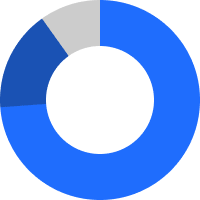
| Silver plans will pay 73% to 94% of your medical costs if you have a low income. |
If you earn less than about $39,125 per year as a single person ($80,375 per year for a family of four), you may qualify for extra savings, called cost-sharing reductions. Cost-sharing reductions help pay for the costs you're responsible for when you go to the doctor, such as your deductible, coinsurance and copays.
Are health insurance rates going up in SD?
Health insurance in South Dakota went up by 5%, on average, between 2025 and 2026.
Gold plan prices went up the least, at 4%, on average. Silver plans went up by an average of 6%, and Bronze plans went up by 5%, on average. Catastrophic plans increased 5% from 2025 to 2026. Though rates have gone up for 2026, since 2022, the cost of a Silver plan has decreased by 10%.
Catastrophic
Bronze
Silver
Gold
Year | Cost | Change |
|---|---|---|
| 2022 | $403 | – |
| 2023 | $410 | 2% |
| 2024 | $389 | -5% |
| 2025 | $388 | 0% |
| 2026 | $408 | 5% |
Monthly costs are for a 40-year-old.
Why is health insurance expensive in SD in 2026?
Health care is getting more and more expensive, and that means higher health insurance rates for everyone.
That's because medical insurance companies pay the bulk of your medical bills. So when getting care is more expensive, it costs the company more money when you go to the doctor or get a prescription. That extra cost is multiplied by thousands and even millions of customers with each health insurance company. To make up for the added costs, health insurance companies charge higher rates for everyone.
In South Dakota, medical insurance companies raised rates by 5%, on average. That's one of the smallest rate increases in the country.
The cost for weight-loss drugs, such as Ozempic and Wegovy, is also driving up the cost for health insurance. These GLP-1 medications are expensive and becoming widely used, which means health insurance companies are paying for a lot of prescriptions.
Another change to medical insurance rates in 2026 has to do with marketplace discounts, called subsidies. Since 2021, people with low incomes have gotten extra discounts called "enhanced subsidies." However, these bigger discounts probably won't apply to 2026 health insurance rates. This means that discounts are likely to be smaller in 2026.
What to do if your rate goes up in 2026
- Shop around and get quotes from other companies. You can see all the companies and plans available in your area on HealthCare.gov. Take a look at your other options and see if there's a cheaper company or plan that still works for you.
- Consider going to a lower-tier plan. A lower-tier plan, such as Bronze, comes with cheaper monthly rates. But the tradeoff is that you have to pay for more of your medical care. To help you save, consider opening a health savings account (HSA). In 2026, Bronze and Catastrophic plans both count as high-deductible health plans, which means you can get an HSA with them.
- Check to see if you get discounts. Even though the discounts might not be as big in 2026, you can still use them to save money if you have a low income. You can get subsidies if you earn between $15,650 and $62,600 per year as an individual.
- See if you can get Medicaid. You can get Medicaid in South Dakota if you earn less than about $22,000 per year as an individual. If you can get Medicaid, most of your health care will be free or very cheap.
Obamacare health insurance in South Dakota
All Catastrophic, Bronze, Silver and Gold plans bought through the SD health insurance marketplace have to offer a minimum level of coverage. These include 10 essential services.
- Hospital care
- Doctor visits
- Emergency care
- Laboratory services
- Preventive and chronic disease care
- Pediatric services
- Prescription medications
- Rehabilitation care and devices
- Pregnancy, maternity and newborn care
- Mental health and substance use services
All plans bought through HealthCare.gov need to cover these 10 services regardless of the plan tier. The only difference between Catastrophic, Bronze, Silver and Gold plans is how you pay for care. Lower plan tiers have cheaper rates, but you pay more when you visit the doctor. Higher plan tiers cost more each month, but you pay a lower portion of your medical bill.
Average cost of health insurance by family size
A family of four pays an average of $2,346 per month for health insurance in South Dakota.
In South Dakota, an adult pays $734 per month for coverage, on average. It costs $439 per month, on average, to add a child age 14 or younger to your health plan.
Family size | Average monthly cost |
|---|---|
| Individual | $734 |
| Individual and child | $1,173 |
| Couple | $1,467 |
| Family of three | $1,906 |
| Family of four | $2,346 |
| Family of five | $2,785 |
Averages based on a Silver plan for 40-year-old adults and children who are under age 15.
Average cost of health insurance by plan type
South Dakota residents have the option to choose between several different coverage types. HMOs (health maintenance organization) are typically the cheapest each month, but these plans have the least flexibility. PPO (preferred provider organization) plans offer more freedom, but they cost more. Sanford and Avera sell HMO and PPO plans in South Dakota.
EPO (exclusive provider organization) occupy a middle ground between the two. In North Dakota, EPOs have the highest average cost. However, that's because Wellmark is the only company to sell this plan type.
Type | Cost |
|---|---|
| HMO | $543 |
| EPO | $739 |
| PPO | $753 |
Monthly costs are for a 40-year-old with a Silver plan.
- HMO plans have the lowest average rates, but these plans limit you to a network of doctors unless you need emergency care. With an HMO, you need to choose a primary care doctor, and you'll have to get a referral before you can see a specialist.
- EPO plans don't require that you have a primary care doctor or get a referral before you see a specialist. But, you can't go outside your network of doctors unless you need emergency care.
- PPO plans give you the flexibility to see doctors outside of your network. Keep in mind that you'll also pay more for out-of-network care than you would for in-network care. PPOs don't require that you choose a primary care doctor or get a referral before you see a specialist.
Short-term health insurance in South Dakota
In January 2025, the current administration canceled a rule that set limits on the length of a short-term health policy. Currently, there isn't a timeline for states to adopt this change. However, short-term health insurance could be available in South Dakota for up to 364 days sometime this year.
You can buy a short-term health insurance plan at any time during the year. That means you don't need to wait until open enrollment to get coverage.
However, short-term plans are usually a bad deal because they offer worse coverage than regular health insurance.
Pros of short-term health insurance in SD
Cons of short-term health insurance in SD
Health insurance enrollment by income level in South Dakota
The changes to health insurance discounts in 2026 affect people with low incomes the most.
That's because people with lower incomes are more likely to buy health insurance through Healthcare.gov instead of through an employer and are more likely to qualify for subsidies. For example, in South Dakota in 2025, over half of people with a marketplace plan made less than $37,651 per year.
Enrolment by income
Income | % of total enrollment |
|---|---|
| Less than $15,060 | 0% |
| $15,060 to $20,783 | 5% |
| $20,784 to $22,590 | 8% |
| $22,591 to $30,120 | 18% |
| $30,121 to $37,650 | 20% |
| $37,651 to $45,180 | 14% |
| $45,181 to $60,240 | 17% |
| $60,241 to $75,300 | 7% |
| $75,301 or more | 8% |
| Other/Unknown | 2% |
Enrollment in 2025 marketplace plans made during the 2024-2025 Open Enrollment period. Total may not be 100% due to rounding
Frequently asked questions
What's the best health insurance in South Dakota?
Sanford Health Plan has the best health insurance in South Dakota because of its high-quality coverage and cheap rates. Silver plans start at $516 per month for a 40-year-old who doesn't smoke.
What's the average cost of health insurance in South Dakota?
Health insurance in South Dakota costs $734 per month, on average, at full cost. However, most people pay much less for coverage because they qualify for discounts, called subsidies. The average cost of marketplace health insurance after subsidies could be around $302 per month in South Dakota in 2026. Note that rates after subsidies are estimates for a 40-year-old buying a Benchmark Silver plan. Your actual rate may vary depending on your age, income and other qualifying factors.
Does South Dakota have state health insurance?
Yes, South Dakota residents can qualify for free government health insurance, called Medicaid if you earn less than about $22,000 per year (roughly $44,000 per year for a family of four). Pregnant women, families with children and people who have certain disabilities may qualify with a higher income.
How much will subsidies save me on health insurance in South Dakota?
The discount you'll get on coverage will depend on your income. The lower your income is, the bigger discount you'll qualify for. On average, people in South Dakota pay $734 for a Silver plan without discounts. If you qualify for discounts, you could pay about $302 for a Silver plan.
Can I get health insurance for $100 a month in South Dakota?
You may be able to get health insurance for $100 a month if you have a low income and qualify for Medicaid. Otherwise, you'll likely pay more. South Dakotans who qualify for subsidies could pay around $302 per month for a Silver plan. When you start shopping for coverage, enter your income information into Healthcare.gov to see if you qualify for discounts.
Methodology
South Dakota health insurance rate data for 2026 is from the Centers for Medicare & Medicaid Services (CMS) website. ValuePenguin used the CMS public use files (PUFs) to find average rates for different plan tiers, geographic locations and family sizes.
Rates
Rates are based on a 40-year-old with a Silver plan, unless otherwise noted. Rates for Bronze plans include regular and Expanded Bronze plans for 2024, 2025 and 2026, when the plans are available. Your costs and plan options will vary; plans aren't always available in all parts of a state or county.
Subsidies
Rates after subsidies are estimates for a 40-year-old with a Benchmark Silver plan and are based on how subsidies were structured before 2021. Prices are calculated using KFF's rates for full-price Benchmark plans, federal poverty levels (FPLs), IRS rules about premium tax credits and Congressional reports about expanded tax credits. The total cost in the state uses rates calculated by income, which are weighted using CMS data on the incomes of those who purchased plans during last year's open enrollment. The median was used for each income range. Unknown incomes were excluded from the calculations. Incomes of 100% of the federal poverty line and 500% of the federal poverty line were assumed for enrollees who earn less than 100% FPL and more than 500% FPL, respectively. Information about state subsidies, when available, was sourced from state marketplaces.
Ratings
ValuePenguin's experts rank companies based on cost, coverage options, customer satisfaction and unique value. Ratings are out of 100 possible points. ACA ratings show how the company performs in South Dakota for medical care, member experience and plan administration. This 2026 plan quality data from CMS is based on data from last year. Ratings are not available for new plans or plans with low enrollment.
More sources
Enrollment trends, including plan selections by tier and enrollment by income, are from CMS data for the 2025 open enrollment period.
Other sources include KFF, S&P Global, and the National Association of Insurance Commissioners (NAIC).
About the Author

Former Senior Writer
Talon Abernathy is a former ValuePenguin Senior Writer who specialized in health insurance, Medicare and Medicaid. He also contributed to other insurance verticals including home, renters, auto, motorcycle and flood insurance.
Talon came to ValuePenguin in 2023. Since his arrival, he's helped to expand the site's health insurance-related content offerings. He enjoys helping readers understand the ins and outs of America's all too complicated health insurance landscape.
Before coming to ValuePenguin, Talon worked as a freelance writer. His prior work has touched on a broad range of personal finance-related topics including credit-building strategies, small business incorporation tactics and creative ways to save for retirement.
Insurance tip
In many parts of the country, you can qualify for a free Silver health insurance plan if you meet certain income requirements. Government subsidies in the form of premium tax credits and cost-sharing reductions may mean you'll pay nothing for coverage.
Expertise
- Health insurance
- Medicare and Medicaid
- Flood insurance
- Homeowners insurance
- Renters insurance
- Auto and motorcycle insurance
Referenced by
- The Miami Herald
- Money.com
- MSN
- Nasdaq
- The Sacramento Bee
- Yahoo! Finance
Education
- BA, University of Washington
- Certificate in Copyediting, UC San Diego
Credentials
- Licensed Life & Disability Insurance Agent
- Licensed Property & Casualty Insurance Agent
Editorial note: The content of this article is based on the author's opinions and recommendations alone. It has not been previewed, commissioned or otherwise endorsed by any of our network partners.
